
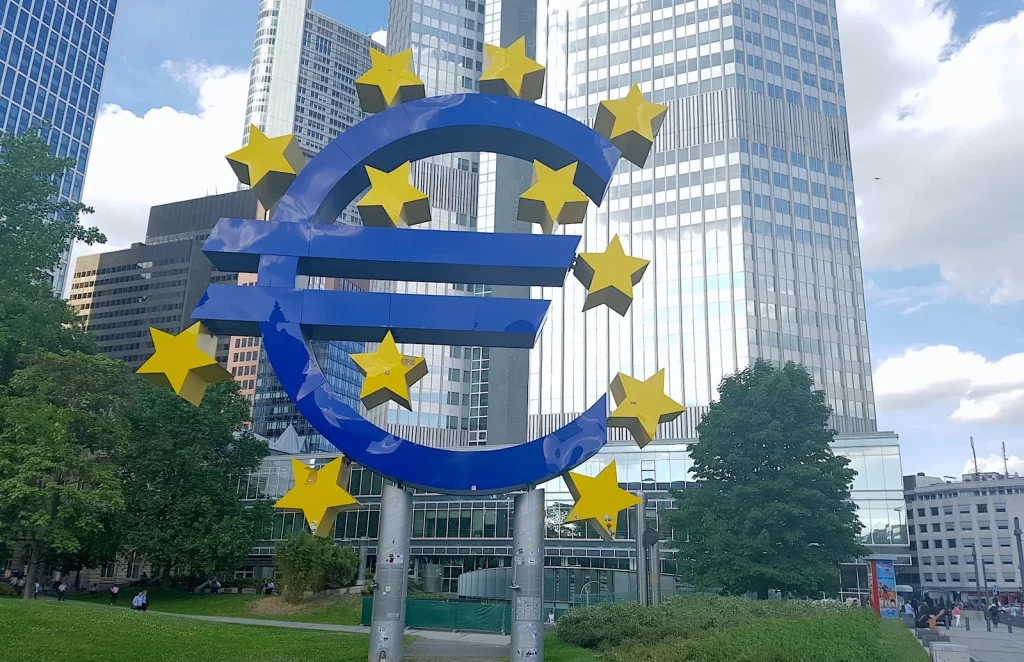
Bulgaria’s adoption of the euro on January 1, 2026, is a landmark event for the Balkans, directly impacting Greece—particularly its northern regions—through trade, tourism, and consumer behavior.
Because the Bulgarian lev has been pegged to the euro since 1999, the change is less about a shift in value and more about the elimination of friction.
The most immediate impact will be felt in Northern Greece (Macedonia and Thrace). Greeks from cities like Serres, Komotini, and Alexandroupoli frequently cross into Bulgaria for cheaper fuel and groceries. The removal of currency exchange fees and the psychological barrier of the lev will likely increase this outflow of Greek consumer capital.
As of late 2025, petrol in Bulgaria remains roughly €0.55 cheaper per liter than in Greece due to lower taxes. Greek petrol stations near the border have seen a 50% closure rate; the euro adoption may further consolidate Bulgaria’s status as the region’s “discount gas station.”In the long term, however, Greece may benefit. Eurozone membership often leads to a gradual “leveling up” of prices in the new member state. If Bulgarian inflation rises post-adoption, the price gap that currently drains the Greek market may begin to close.
Pingback: acular ketorolac ophthalmic solution
Pingback: terbinafine nail fungus expert overview